Growing a High-Quality Afterschool Program, One Core Area at a Time
High-quality afterschool programs don’t happen by chance. They are built intentionally through strong relationships, thoughtful practices, and a commitment to continuous quality improvement.
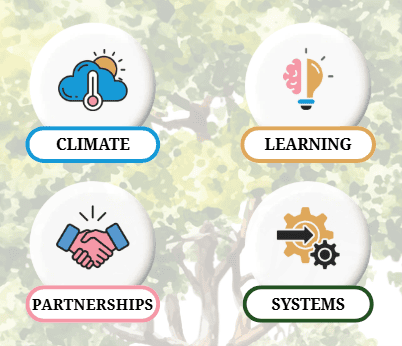
This blog launches a four-part series exploring the Illinois Statewide Afterschool Quality Standards, a research-based framework designed to help programs create safe, engaging, equitable, and high-quality experiences for young people. The Standards are organized into four Core Areas: Climate, Learning, Partnerships, and Systems. Together, these Core Areas provide a practical roadmap for strengthening programs and supporting positive outcomes for youth, families, and communities.
In each blog, we’ll take a closer look at one Core Area, why it matters, and how small, intentional actions can make a meaningful difference in everyday practice.
It All Starts with Climate: Creating Places Where Young People Belong
Climate is more than the first Core Area in the Illinois Statewide Afterschool Quality Standards; it is the foundation that supports everything else. When young people feel safe, respected, and connected, they are more likely to engage in learning, build positive relationships, and thrive. A strong climate creates the conditions where every other aspect of quality can flourish.
What Makes an Afterschool Program Memorable?
It’s often not the activity, lesson, or game. It’s how young people felt while they were there.
- Did they feel welcomed?
- Did they feel safe?
- Did they know they belonged?
That’s the power of Climate – the foundation of every high-quality afterschool program.
The Illinois Statewide Afterschool Quality Standards define Climate as creating environments that are safe, well-maintained, and inclusive, where young people, families, and staff feel respected, supported, and engaged.
When young people experience an environment that is respectful, safe, clean, organized, and emotionally supportive, it strengthens their overall well-being and supports their personal, academic, and social development.
A positive climate is built through everyday actions:
- Greeting young people by name
- Creating safe, welcoming, and well-maintained spaces
- Building trusting relationships
- Respecting every young person’s identity, strengths, and experiences
- Actively supervising young people and communicating clear expectations
- Using positive behavior supports fostering responsibility and belonging
- Preparing staff to respond to emergencies and meet individual health and accessibility needs
A positive climate supports young people, families, and staff, and it grows through intentional reflection, collaboration, and continuous quality improvement.
Questions for Reflection
- Do all young people feel like they belong?
- Would families describe your program as welcoming?
- How do staff intentionally build positive relationships every day?
- Would a first-time visitor immediately feel that your program is safe, welcoming, and inclusive?
Building a positive climate doesn’t always require major changes. Often, it is the small, intentional actions- welcoming every young person, strengthening relationships, maintaining safe spaces, and fostering respect- that have the greatest impact on engagement, belonging, and overall program quality.
Quality begins with belonging, and belonging begins with Climate. Every interaction, every relationship, and every welcoming space helps create an environment where young people can thrive.
In our next blog, we’ll explore Learning and how engaging, youth-centered experiences help young people build skills, confidence, and a lifelong love of learning.
Want to Learn More?
Explore the Illinois Statewide Afterschool Quality Standards to discover all four Core Areas (Climate, Learning, Partnerships, and Systems) and see how they work together to support high-quality afterschool programs through continuous quality improvement.