Growing a High-Quality Afterschool Program, One Core Area at a Time: Systems
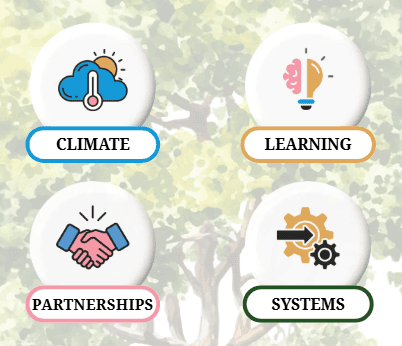
Over the past several months, we have explored the four Core Areas of the revised Illinois Statewide Afterschool Quality Standards™ and what they can look like in everyday practice.
We started with Climate, looking at how programs create environments where young people feel safe, welcomed, supported, and included. We then explored Learning and the intentional experiences that help young people build skills, explore their interests, and grow. Most recently, we looked at Partnerships and the relationships that connect programs with families, schools, and communities.
Our final Core Area, Systems, brings many of those pieces together.
Systems: Creating the Foundation for Quality
High-quality afterschool programming does not happen by accident. Behind the relationships, learning experiences, and partnerships young people see each day are systems that help make those experiences possible.
The Systems Core Area focuses on the structures that support a program’s ability to operate effectively, support its staff, use information to improve, and sustain quality over time.
This Core Area includes four Standards focused on:
- Creating a supportive and effective work culture
- Maintaining strong program records and systems
- Using data and continuous quality improvement to strengthen practice
- Planning for long-term sustainability and using resources responsibly
These systems may not always be the most visible part of an afterschool program, but they have a significant impact on what young people, families, and staff experience.
What Strong Systems Look Like in Practice
Strong systems create consistency while allowing programs to respond to the needs of their young people, families, staff, and communities.
In practice, this might look like:
- Staff have clear roles, expectations, and opportunities for ongoing learning and feedback.
- Program leaders intentionally support staff well-being, growth, and retention.
- Policies and procedures being documented, accessible, and regularly reviewed.
- Program records being accurate, organized, secure, and useful for decision-making.
- Staff gather and review data to understand what is working and where improvement may be needed.
- Young people, families, staff, and partners have opportunities to contribute feedback.
- Program teams use that feedback to set priorities and make changes.
- Budgets and resources being aligned with program goals and the needs of young people.
- Leaders think proactively about staffing, partnerships, funding, and other factors that support long-term sustainability.
The goal is not simply to have more policies, forms, or data. Strong systems should make it easier for staff to do their work well and for programs to provide consistent, high-quality experiences.
Systems Support People
When we hear the word systems, it can be easy to think first about policies, procedures, budgets, or data. But ultimately, strong systems are about people.
- A strong onboarding process helps a new staff member feel prepared and supported.
- Regular supervision and feedback help staff grow in their roles.
- Clear procedures help staff know what to do when challenges arise.
- Thoughtful budgeting helps ensure that staff and young people have the resources they need.
- Regularly gathering feedback helps programs understand whether their practices are meeting the needs of the people they serve.
When systems work well, they create conditions for staff, young people, and families to thrive.
Continuous Improvement Is Part of the System
One of the most important elements of Systems is creating a culture where reflection and improvement are part of how the program operates, not something that happens only when there is a problem.
Continuous Quality Improvement can help programs move through a simple cycle:
Assess → Reflect → Plan → Implement
Programs gather information about their current practices, reflect on what the information tells them, identify priorities, develop a plan, and put that plan into action.
This does not mean trying to improve everything at once. Often, meaningful improvement starts with one manageable change.
A program might notice that staff turnover is affecting consistency and decide to strengthen onboarding. Another might recognize that it collects family surveys but does not have a regular process for reviewing and using the feedback. Another may examine its budget and identify opportunities to better align resources with program priorities.
The important piece is creating a regular process for asking: What are we learning, and what should we do next?
Questions for Reflection
As you think about Program Systems in your own program, consider:
- Do staff understand their roles and have the support they need to be successful?
- Are our policies and procedures clear, accessible, and reflective of current practice?
- What information are we collecting, and how are we using it?
- Whose voices are included when we make decisions about program improvement?
- Do our staffing, budgeting, and resource decisions reflect our program’s priorities and values?
- What systems help us maintain quality even when staff, funding, or circumstances change?
- Where might one small change make our program more consistent or sustainable?
Small Shifts Can Strengthen Systems
Strengthening systems does not always require creating something new.
It may mean making an existing process more intentional.
Schedule time during staff meetings to review program data. Revisit an onboarding checklist with current staff. Create a regular process for reviewing family and youth feedback. Look at whether professional learning connects to areas identified through program assessment. Examine whether resources are being directed toward the priorities your team has identified.
Small changes like these can help move systems from something that happens behind the scenes to something that actively supports program quality.
Bringing the Four Core Areas Together
Systems is the final Core Area in this series, but it is not separate from the other three.
Strong Systems help staff create a positive Climate.
They provide the structure and resources needed for meaningful Learning.
They create consistent ways to communicate and collaborate Partnerships.
And the experiences of young people, families, staff, and partners help programs understand where their systems need to grow.
Together, the four Core Areas provide a whole-program approach to quality, one that recognizes that quality is not one practice, one person, or one moment. It is something programs build intentionally and strengthen over time.
As you continue exploring the revised Illinois Statewide Afterschool Quality Standards™, consider where your program is already strong and where there may be an opportunity for your next small step.
Quality grows through reflection, action, and a commitment to continuous improvement.