Community Schools Corner
On this page, find resources, events, and more for community schools in Illinois. ACT Now provides technical assistance, professional development, networking opportunities, and more to community schools throughout the state.
Community schools are public schools that partner with families and community-based organizations to provide well-rounded educational opportunities and supports for students’ school success. Each community school is a unique reflection of local needs, assets, and priorities. In Illinois, community schools can be found throughout the state, and the model continues to gain traction and expand.
What are Community Schools?
School districts and communities across Illinois are meeting the full needs of students and their families by adopting the community schools model. Community schools are a specific model of education and community organizing, different from a neighborhood school. Community schools are public schools that partner with families and community-based organizations to provide well-rounded educational opportunities and supports for students’ school success. Effective community schools work collaboratively, assess community needs, give students sufficient learning time and depth, use data to inform improvement, and create and support infrastructure at the administrative level.
Community schools use a variety of funding streams to fund their various components. Some of this funding is from federal and state governments. However, community schools also leverage private grants, donations, volunteers, and in-kind services for funding.
Pillars of Community Schools
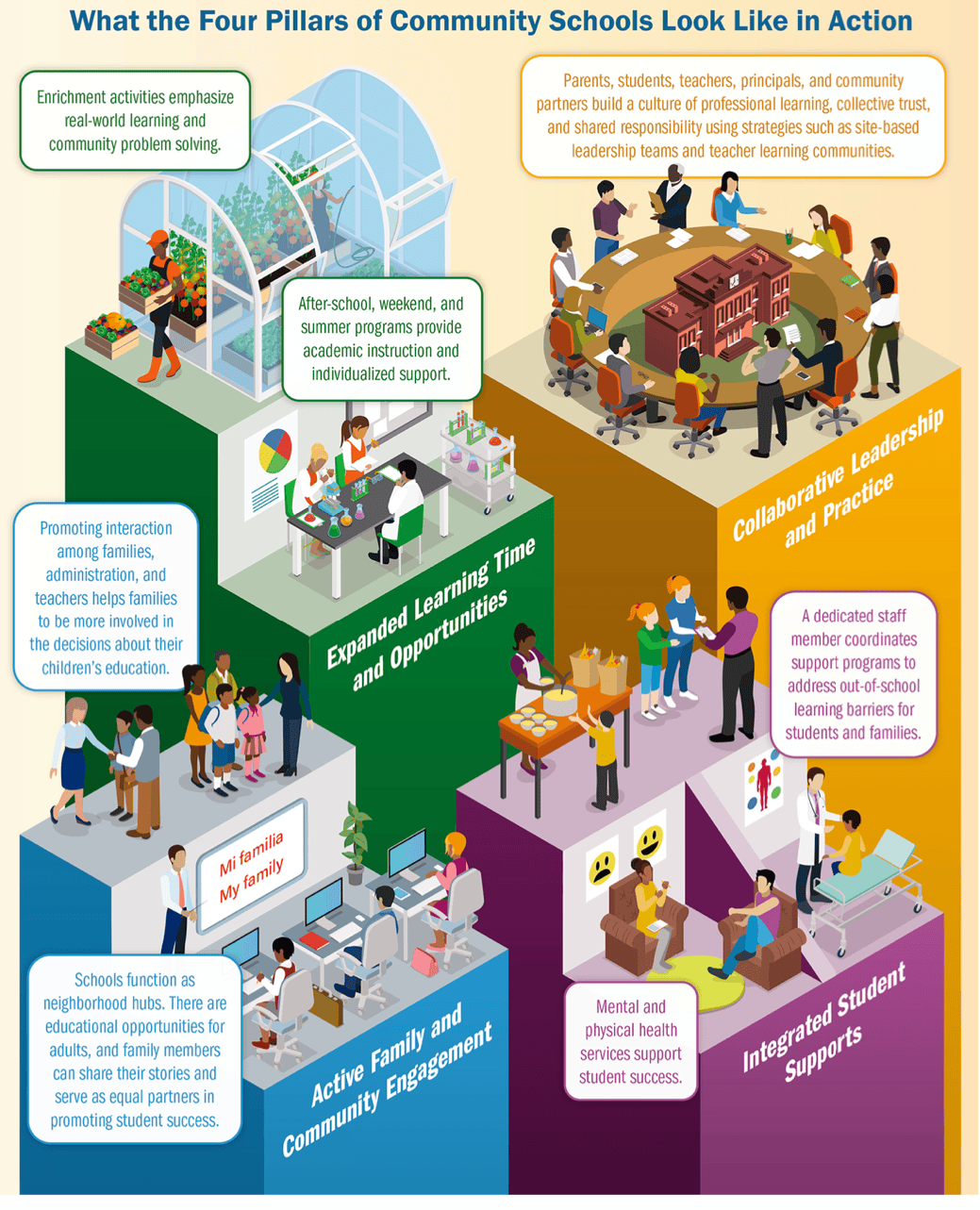
Since each community school is a reflection of local needs, assets, and priorities, no two community schools look exactly alike. However, all community schools have four pillars or components in common. These pillars are:
1. Integrated student supports;
2. Expanded and enriched learning time and opportunities;
3. Active family and community engagement; and
4. Collaborative leadership and practices.
Using all four of these components, community schools have the features found in high-quality schools and in better-resourced communities, where families can afford to supplement the services offered by these schools.
History of Community Schools
Community schools—which position schools as the heart of their neighborhoods—trace their roots back to late 19th-century settlement houses like Hull-House (founded by Jane Addams and Ellen Gates Starr in Chicago in 1889), where education, social services, hygiene, and civic dialogue were combined under one roof. This approach continued through the 1930s, bolstered by the Charles Stewart Mott Foundation and initiatives that used school buildings for after‑hours programming. During segregation, many Black communities adopted community‑school strategies—offering daytime schooling and evening community activities—to combat poverty and racial violence. The community school model evolved during the civil rights era of the 1960s through the 1970s as a tool for urban education and desegregation support.
Today, community schools are an organized model with a presence around the world. The Coalition for Community Schools estimates that there are more than 5,000 community schools nationwide serving over five million students in the United States. It is estimated that there are 27,000 community schools worldwide.
Impact of Community Schools
Building a Statewide Capacity-Building System for Community Schools: Lessons from Illinois
From 2024 to 2026, ACT Now and Community Schools Partners (CSP) co-designed and implemented a statewide capacity-building system to support 32 new Community Schools across 17 Illinois districts as part of leading two federal Full-Service Community Schools State Scaling grant initiatives.
The capacity-building system combined professional learning, one-on-one coaching, technical assistance, and peer group learning to help schools move beyond understanding the community schools strategy toward implementing it as a whole-school approach to transformation. This report details the five lessons for statewide capacity building in Community Schools uncovered through ongoing reflection between CSP coaches, ACT Now technical assistance specialists, and the ACT Now project director over the course of implementation. It also details lessons in rural capacity building and offers promising coaching and technical assistance practices. Together, they represent a collective synthesis of practice, learning, and adaptation developed over two years of work together. This report is offered as a gift to the Community Schools and capacity building field in order to promote shared learning and improvement.
What Illinois Stands to Lose: The Impact of Federal Funding Cuts on Community Schools
Illinois cannot afford to treat Community Schools as optional enhancements; they are a foundational strategy for reversing post-pandemic academic decline, stabilizing families, and strengthening the state’s long-term educational and economic health. Decades of research, and now early data from Illinois’ own Full-Service Community Schools (FSCS) grants, demonstrate that when schools integrate academic supports with coordinated social, emotional, and family-focused services, student outcomes improve measurably, even in high-need contexts. At a moment when chronic absenteeism has reached crisis levels, achievement gaps are widening, and youth mental health needs continue to rise, dismantling this infrastructure is shortsighted and undermines an effective approach to ensuring students can learn, families can work, and communities can thrive.
Community Schools as an Effective School Improvement Strategy
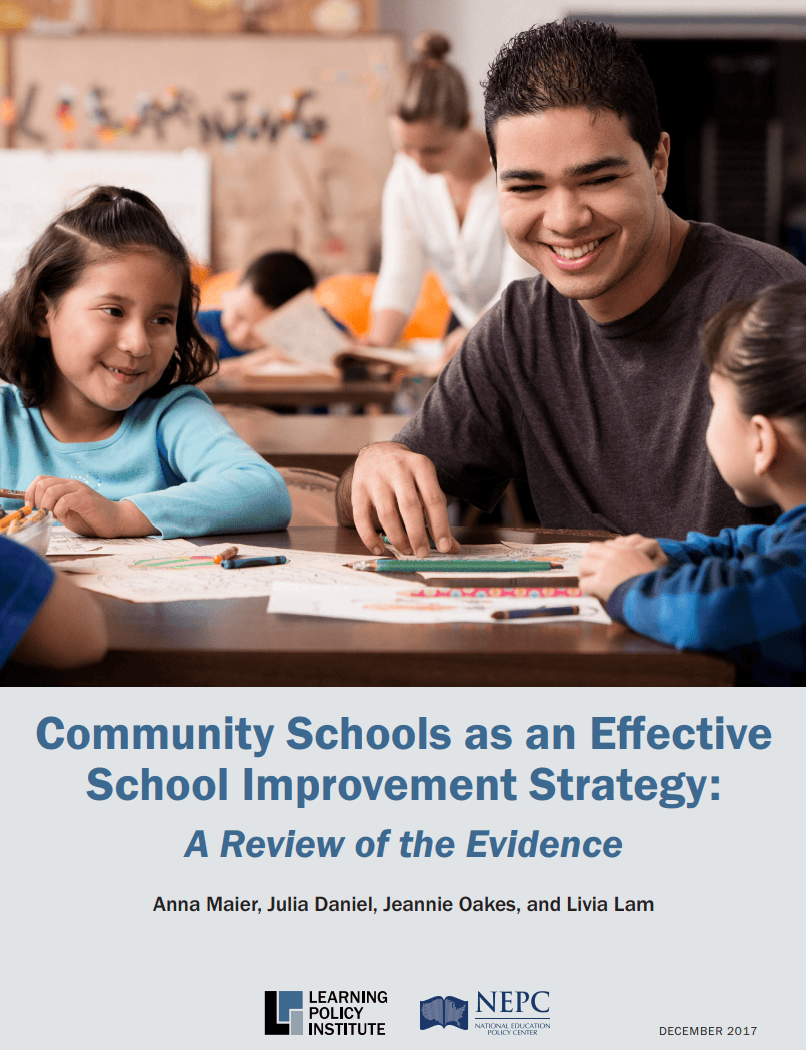
This report synthesizes the research evidence about the impact of community schools on student and school outcomes. It aims to support and inform school, community, district, and state leaders as they consider, propose, or implement community schools as a strategy for providing equitable, high-quality education to all young people.
How Community Schools Improve Outcomes: Fact Sheet
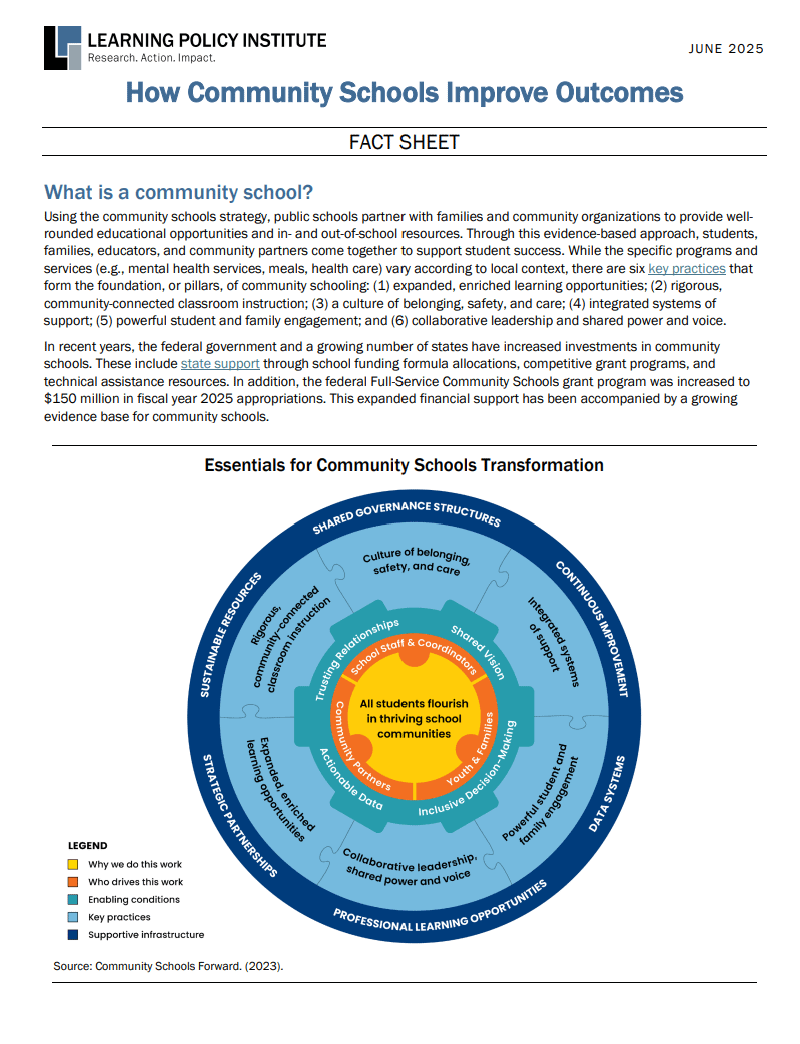
This fact sheet aims to demonstrate how community schools improve student outcomes by providing a research-based overview of the core practices that make them effective. It synthesizes findings from more than 140 studies to show how integrated supports, such as expanded learning time, family engagement, and collaborative leadership, can positively impact academic performance, attendance, and school climate. The document also seeks to inform policymakers and educators about the growing evidence and momentum behind community schools, encouraging continued investment and implementation at local, state, and federal levels.
Community Schools in Illinois: An Effective Strategy to Address Equity, Health, and Academics in Our Schools

ACT Now has collaborated with community schools to develop a report on their impact. ACT Now is excited to share our findings on these effective partners and holistic support systems with you!
On October 6, 2020, we hosted an event to release this report and to give people the opportunity to hear from community schools providers themselves as they describe the diverse actions they took to respond to their youths’ and communities’ needs relating to COVID-19 and racial injustice.
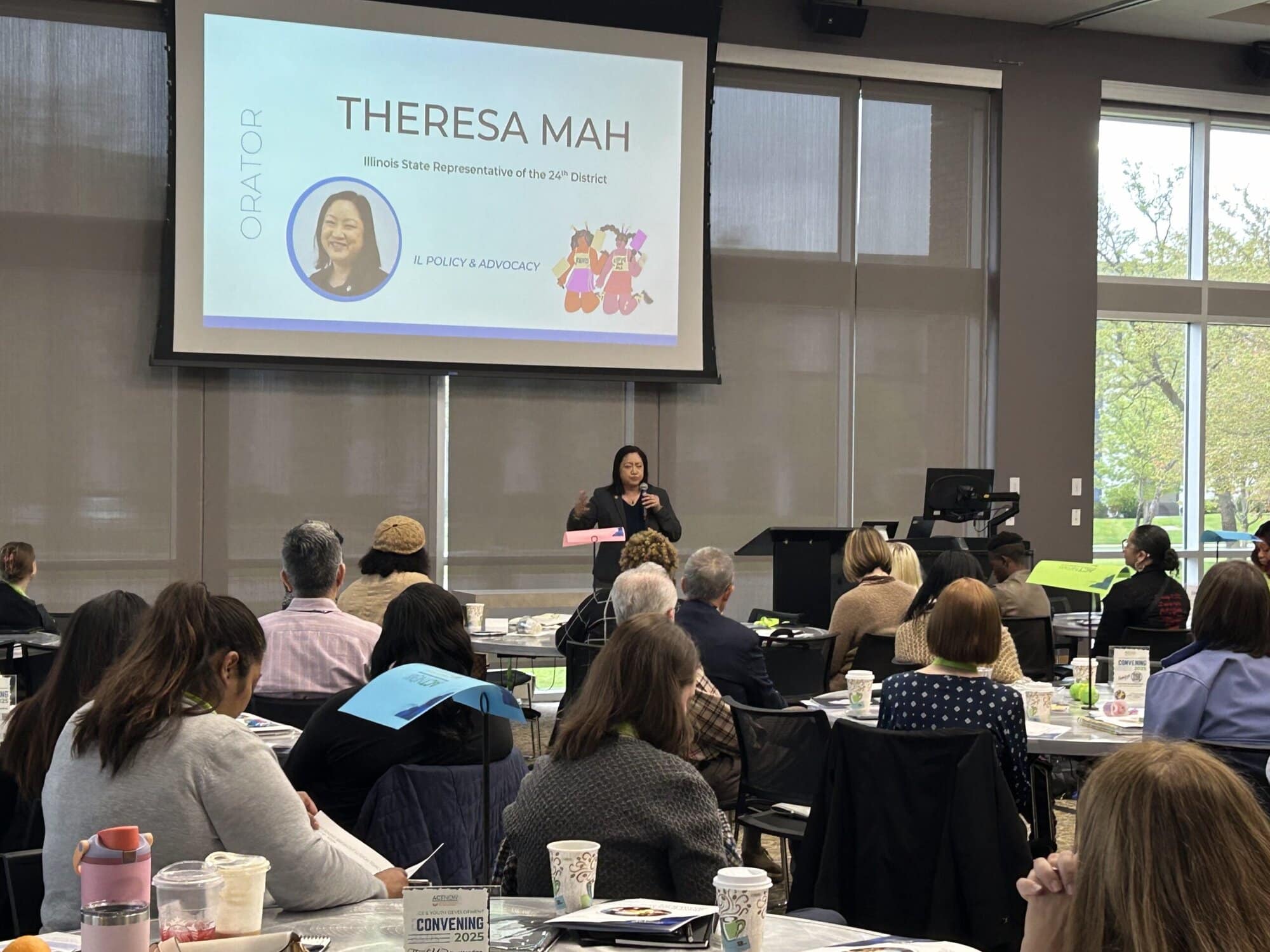
To watch the recording of our virtual discussion of our research and hear from Representative Theresa Mah, Joie Frankovich (WeGo Together for Kids – West Chicago), Amber Brooks (Youth Guidance – Chicago), and Rebecca Kinsey and Laura Beavers (The Baby Fold – Bloomington-Normal), click here.
Additional Community Schools Resources and Partners
Show How Community Schools Impact Your Community
The Institute for Educational Leadership has created a tip sheet with suggested actions you and your organization can take to have your voice heard about the impact of Community Schools.
COFI Shining a Light Report
Our friends at Community Organizing and Family Issues (COFI) have produced a policy report with recommendations for improving mental health services for youth and families throughout Illinois. Community schools are named as a strong strategy for addressing barriers to accessing mental and physical health services, youth development programming, and wraparound supports for families!
Meet the CSSC
The Community Schools Steering Committee (CSSC) aims to support the holistic Community Schools framework and expand the strategy across the state of Illinois through the development of policy agendas and advocacy. The Committee also helps to organize the regional networking and professional development trainings for providers in the state.
Our Community Schools Steering Committee (CSSC) Members include:
- Phillip Hosfeldt (Co-Chair)
- Rebecca Kinsey (C0-Chair)
- Deb McGarvey
- Eric Werge
- Hannah Mngwamba
- Jennifer Grumhaus
- Jill Edelblute
- Kelly Gallego
- Lissette Moreno-Kuri
- Patrick Brosnan
- Sarah Norton
- Suzanne Kerbow
- Valerie Price
- Wendy Lu
- Sarah Rankin
- Jenny VanderPloeg
- Emily Lau
Community Schools Infrastructure Resources
Building a strong Community Schools Team is essential to creating meaningful partnerships and supporting student success. Explore the resources below for guidance, examples, and practical tools to help you build your team, recruit diverse stakeholders, and foster long-term engagement and collaboration.
Model Community School Coordinator Job Descriptions
These job descriptions offer a sample of the responsibilities and qualifications that should be considered when creating and hiring for a Community School Coordinator role.
- Sample Community School Coordinator Job Description (1)
- Sample Community School Coordinator Job Description (2)
- Sample Community School Coordinator Job Description (3)
- Sample Community School Coordinator Job Description (4)
Community School Teams Toolkit
This toolkit offers a step-by-step guide to creating, recruiting for, and engaging a Community School Team.
Assets and Needs Assessments Resources
As part of the Illinois FSCS State Scaling project, partner schools completed a robust Assets and Needs Assessment (ANA) process. Schools used the resources below to plan, conduct, and analyze the results of that assessment. These documents contain some references to grant-specific objectives, processes, or systems. These can be disregarded or edited as relevant.
Model ANA Surveys for Students, Families, Communities, and School Staff
These model surveys provide an example of the types of questions you might ask various interest-holders in your school community. Available in other languages upon request.
ANA Big Picture Worksheet (Word Doc)
Use this worksheet to think through the big ideas, questions, and areas of investigation you might address in your Assets and Needs Assessment.
Focus Group and Interview Guide (Fillable PDF)
This guide explains how to incorporate focus groups and interviews into your Assets and Needs Assessment, discusses best practices, and includes a worksheet to plan a focus group or interview protocol.
Focus Group and Interview Protocol Worksheet (Fillable PDF)
Standalone version of Focus Group and Interview Protocol Worksheet. Use this to plan what questions you’ll ask participants.
Qualitative Analysis Worksheet
Once you’ve gathered qualitative data from interviews, focus groups, and surveys, what do you do with it? This worksheet helps you begin to organize qualitative findings into themes that can lead to actionable goals.
ANA Report Toolkit
This toolkit offers a framework for synthesizing and reporting on your Assets and Needs Assessment findings to your community. References to grant-specific items in this guide can be disregarded or edited to be relevant.
Assets and Needs Assessment One-Pager Template
Standalone version of Assets and Needs Assessment One-Pager template. Use this to share your results at-a-glance.
Implementation Plan Resources
As part of the Illinois FSCS State Scaling project, partner schools used results from their Assets and Needs Assessment to complete a thorough Implementation Plan using the toolkit below. This plan triangulated needs and assets identified from the ANA, ACT Now’s FSCS grant objectives, and the school’s School Improvement Plan to set goals and design initiatives to accomplish those goals. This toolkit contains some references to grant-specific objectives, processes, or systems. These can be disregarded or edited as relevant.
Implementation Plan Toolkit
Use this toolkit to move from the goals identified in your Assets and Needs Assessment to concrete goals and initiatives. References to grant-specific items in this guide can be disregarded or edited as relevant.
Community Schools Events
FY27 Q3 Community Schools Convening: Designing for Family and Community Engagement
Join us for our Q3 Community Schools Convening on Designing for Family and Community Engagement on February 10th at 10:00 am. Community Schools (CS) professionals will engage in a learning experience on program design best and promising practices that invite families, caregivers, and community members into model implementation. Serving as a neighborhood hub, Community Schools ensure programs and services include learning opportunities for adults, and provide avenues for caregivers and community members to share their stories and serve as equal partners in promoting youth success. Learners will leave with strategies for designing high-quality programming that foster and sustain safe, secure and respectful environments to promote the wellbeing, belonging, and growth of youth, families, and community members.
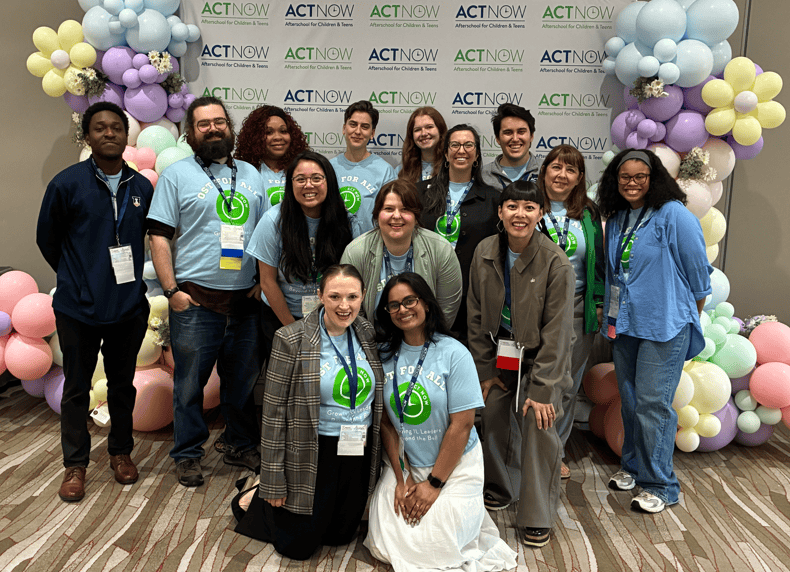
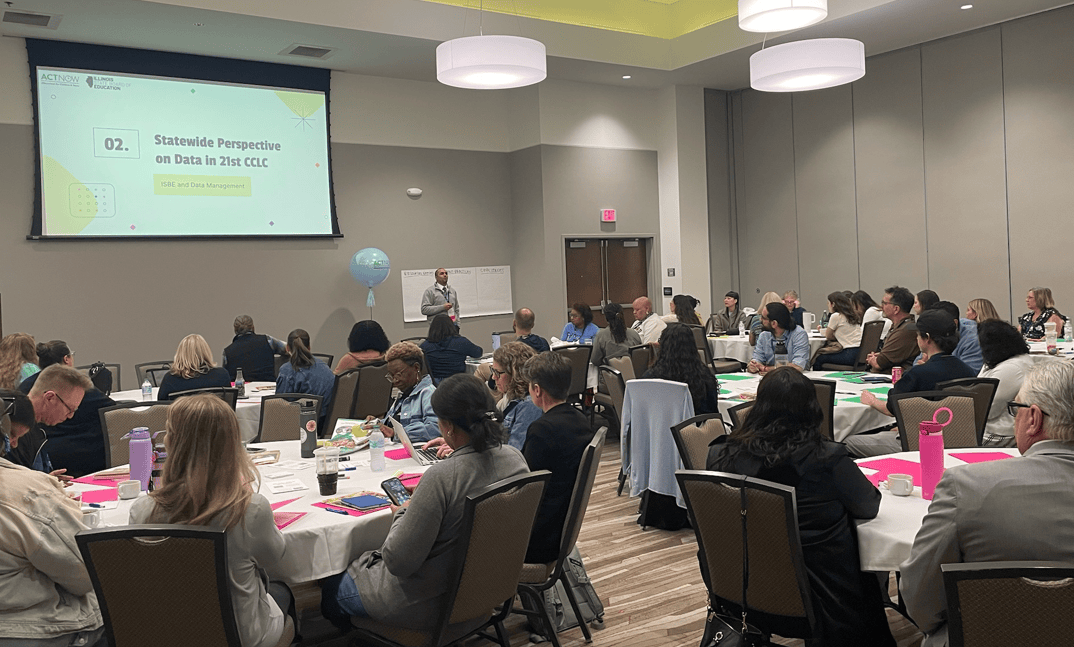
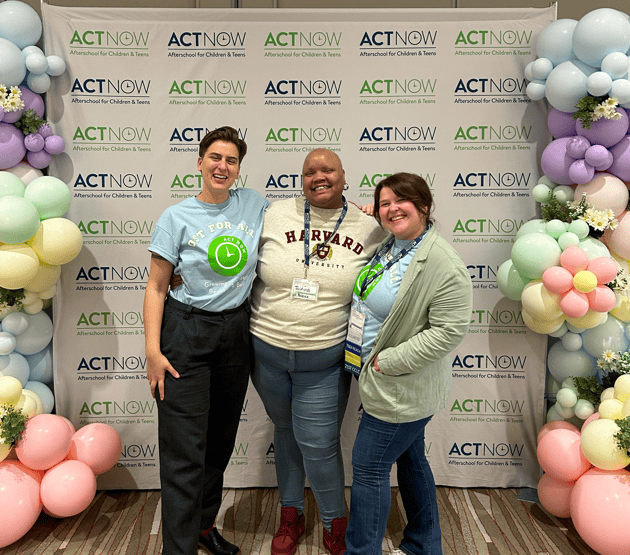
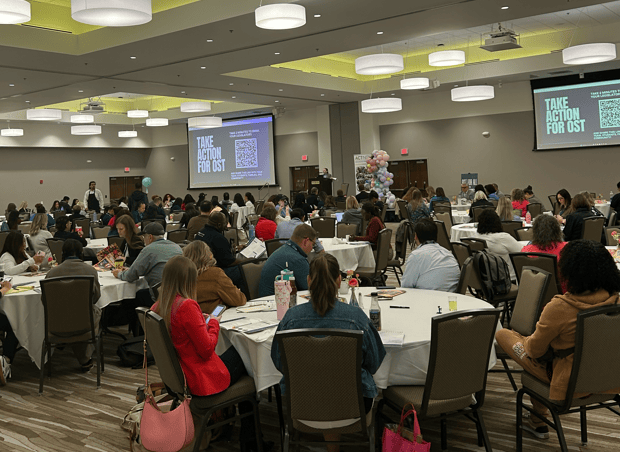
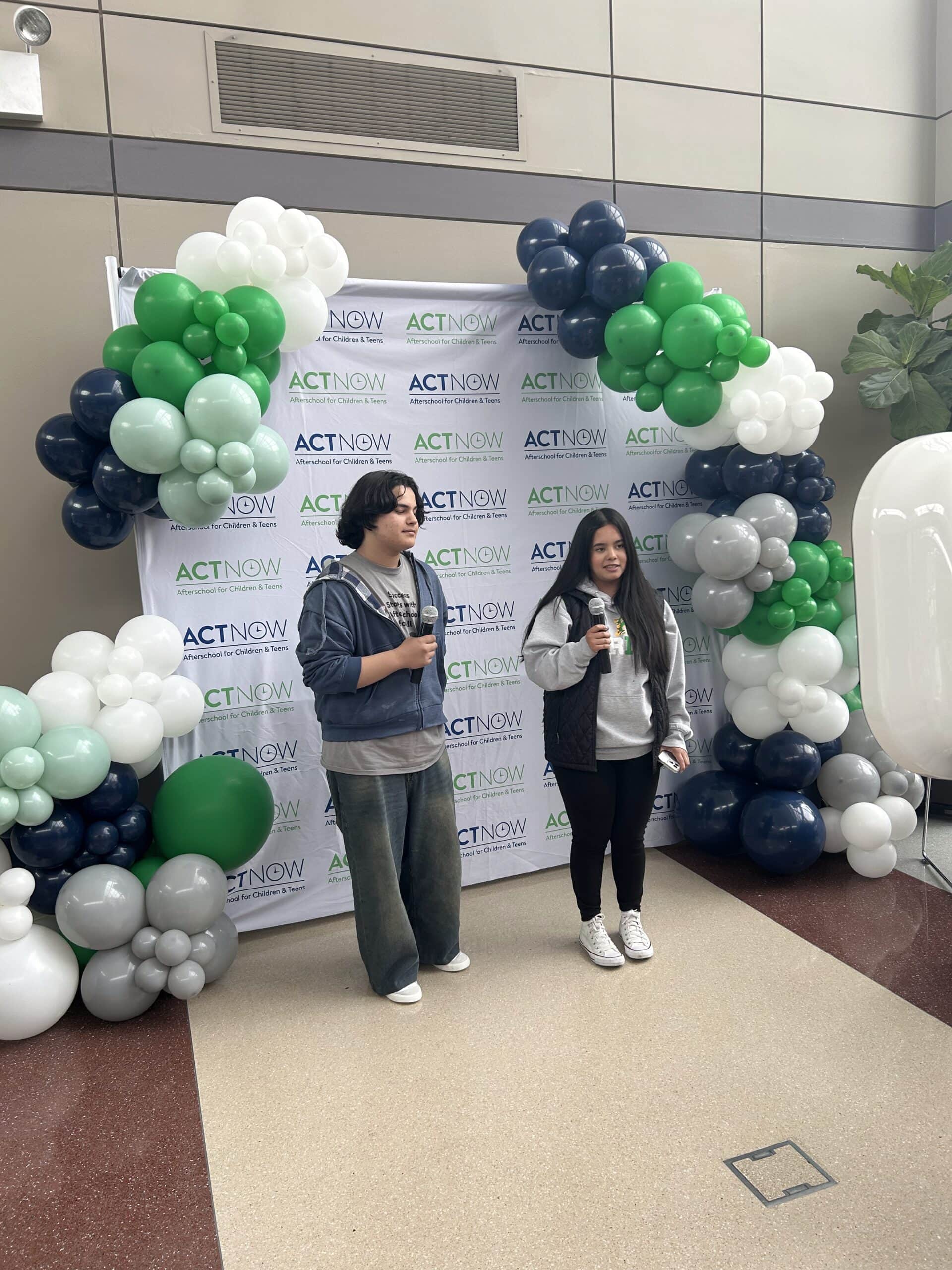
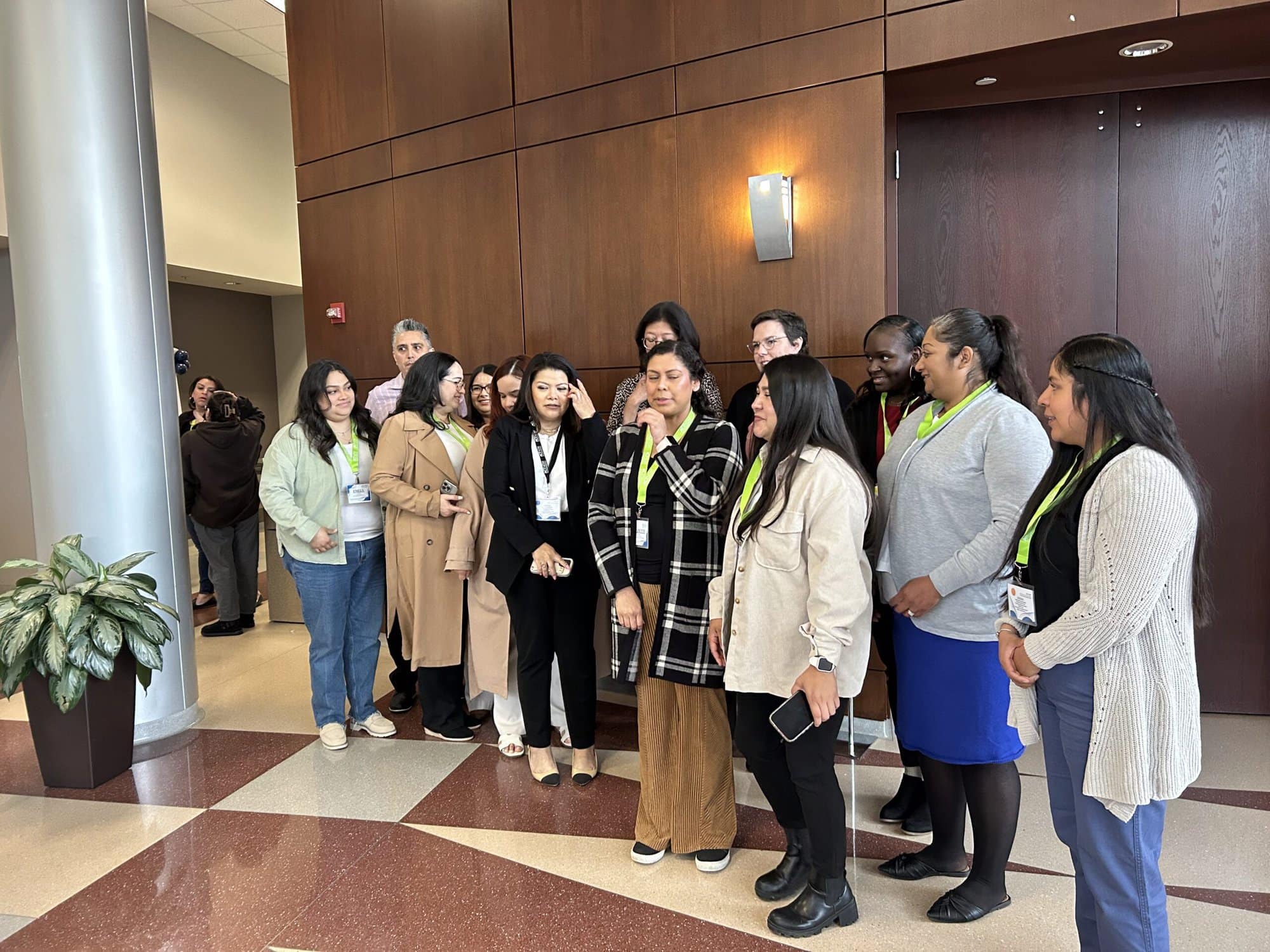
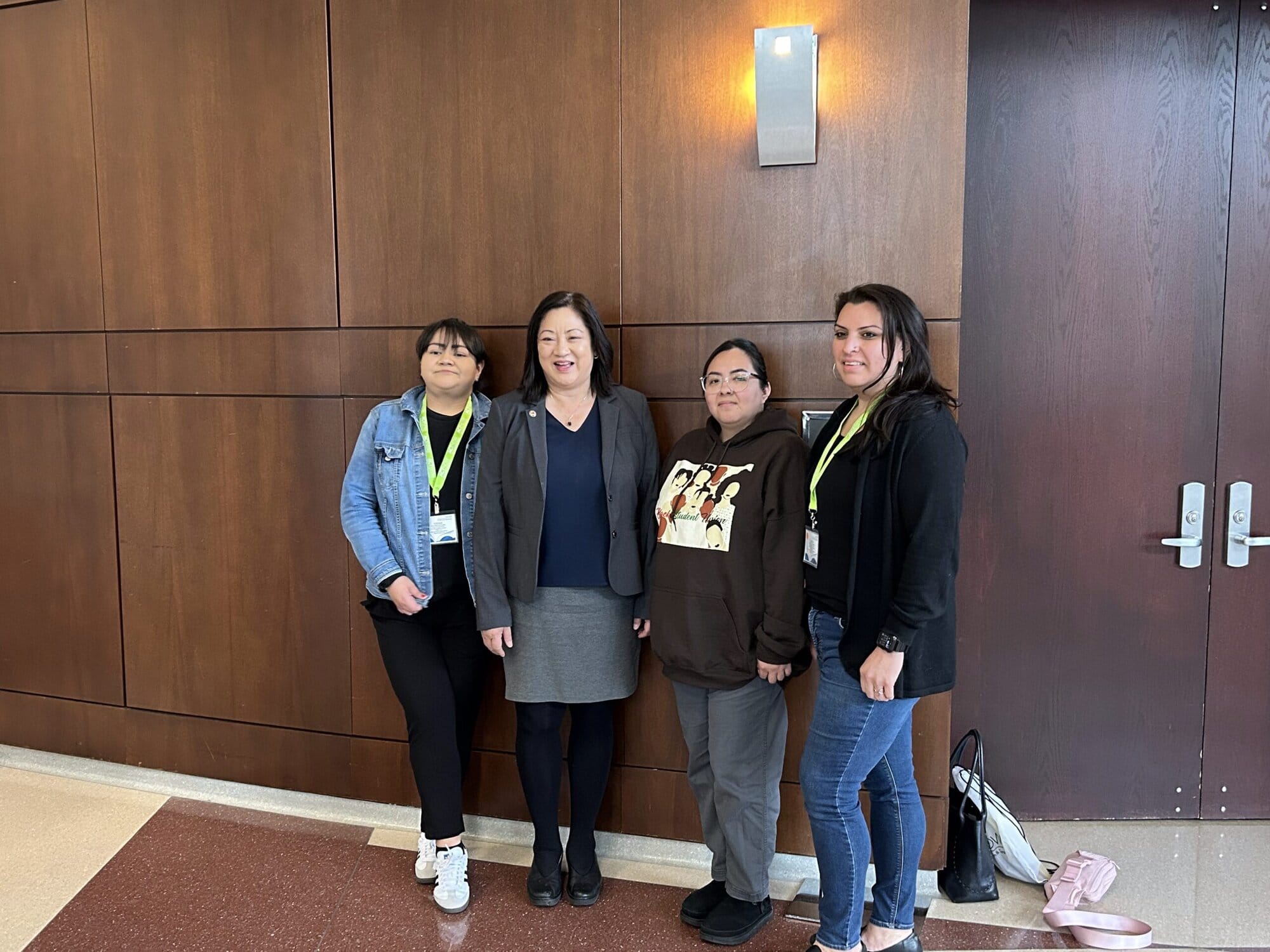
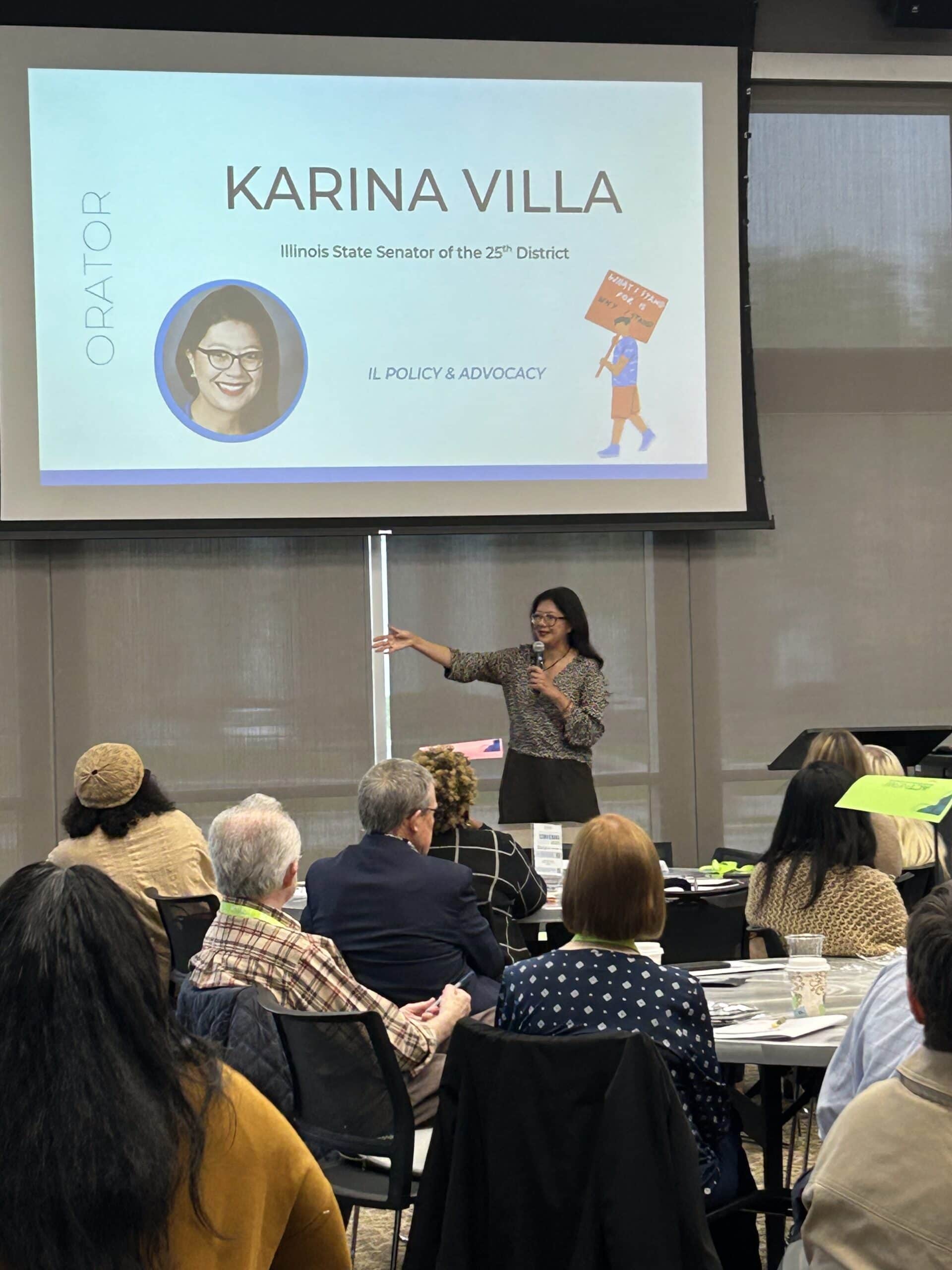
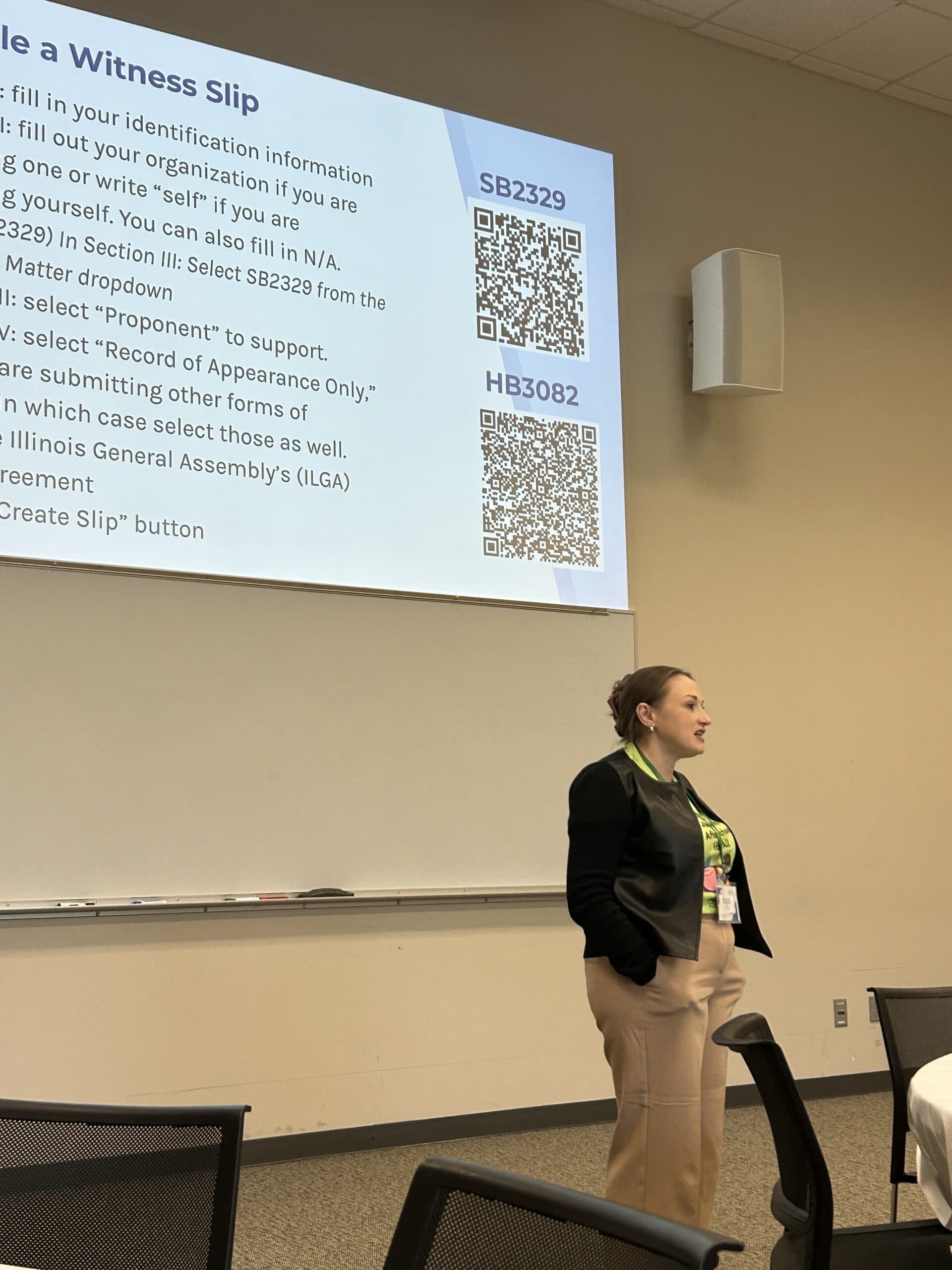
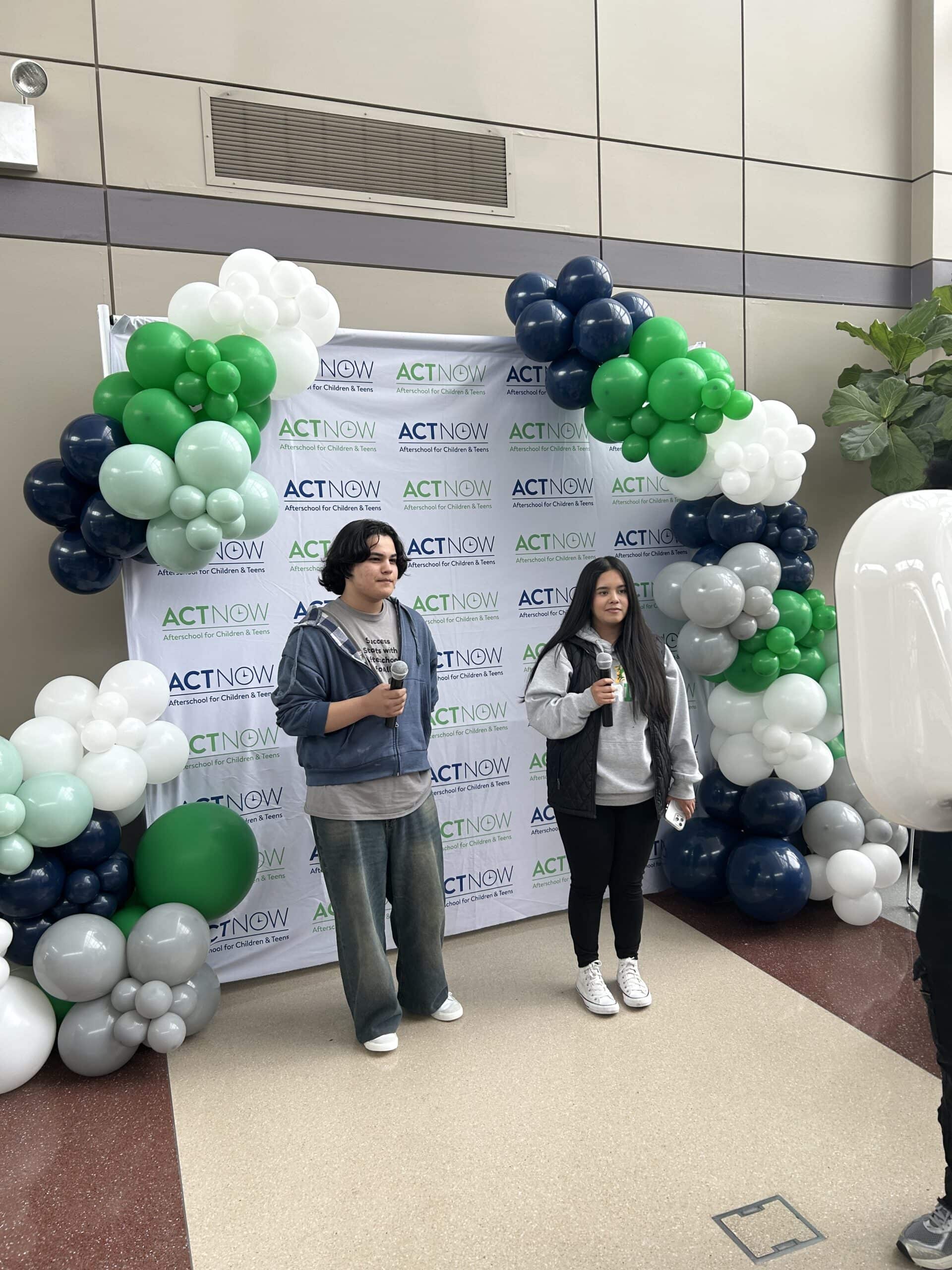
Thank you to everyone who attended the 2026 IL Statewide Conference for Afterschool and Community Schools! See highlights from past conferences below.



Archived Information
FY25 Community Schools Trainings (2024-2025)
This year, ACT Now is Together in Community with our community schools (CS) partners across the state. Each quarter, we will host a variety of professional development and networking opportunities for CS providers on topics suggested by you.
To register for the virtual events, you must have an ANCAL account. If you already have one, please log in and search for the event in the calendar.
Nurturing Community Partnerships (Q3)
- Thursday, 1/23/2025 – Rural Convening
- Thursday, 1/30/2025 – Suburban Convening
- Wednesday, 2/5/2025 – Chicago Convening
Resources from Past Community Schools Providers Meetings
Starting in FY23, ACT Now began archiving our training recordings and resources in our online training system, the ACT Now Center for Afterschool Learning (ANCAL). ANCAL is FREE for all Illinois afterschool and out-of-school time (OST) professionals.
To access these materials, you must be a member and/or log in.
After surveying the community schools field in the spring, ACT Now worked to restructure our professional development opportunities for providers across the state! Now, each quarter this year, ACT Now will focus on a different pillar of the community school model as we work towards creating a unified statewide coalition.
FY23
Quarter 1 (Statewide Convening): The Extended Learning Day
- Passcode: %X733w5n
- Google Folder with Slide Deck
Quarter 2 (Statewide Virtual Convening): Family & Community Partnerships
Quarter 3 (Regional In-Person Convenings): Integrated Students Supports
Quarter 4 (Statewide In-Person Convening): Collaborative Practices and Leadership
- May 3, 2023, from 10:00 a.m. to 2:00 p.m.